
Imperfect Software Is a Choice — Not a Given
Published July 21, 2026 · By Frédéric Debouche
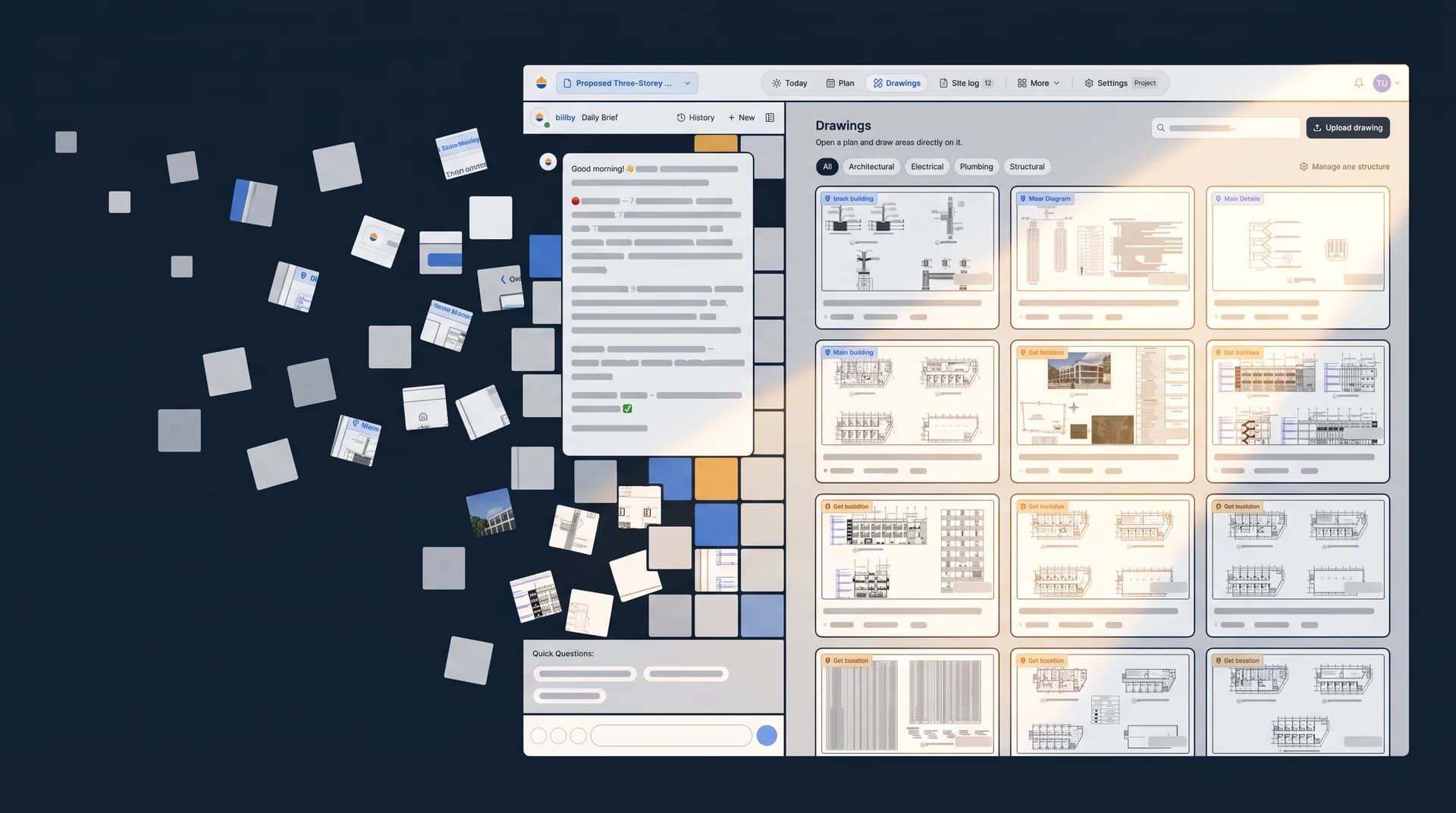
Every piece of software you use has something missing — a field that doesn't quite match your process, a report that's almost but not quite what you need. For years, that was just how software worked: building anything took months, so gaps stayed gaps. That excuse doesn't hold anymore.
Software used to take six months. Now it takes half a day.
Imagine you could teleport. Not "get there faster" — instantly, anywhere, for free. Grocery shopping wouldn't just get quicker. It would stop being grocery shopping. You'd go straight to the Philippines for the pineapple, hop on a fishing boat off Norway for the salmon, drop by a farm in Normandy for the milk — because nothing would stop you. The whole category of "going to the supermarket" would disappear, replaced by something built entirely differently.
That's the scale of change AI-assisted development brings to software — not faster delivery of the same thing, but a different system altogether. A feature that used to need a team, a spec, and a six-month roadmap can now be built, tested, and shipped in an afternoon.
- What used to be a "maybe next year" request is now a same-week conversation
- Rebuilding something from scratch, because it's not quite right, is no longer a disaster — it's an option
- The gap between "what users want" and "what the software does" is no longer a resourcing problem
So if it's not built the way you'd want — that's a choice
This cuts both ways. If a team can now change almost anything, almost immediately, then whatever they haven't changed is no longer a limitation. It's a decision.
At Biilby, that's a standard we hold ourselves to. If a foreman tells us the daily report is missing a field he needs every day, we don't file it under "maybe someday." We can usually ship it before he's back on site the next morning. If we haven't fixed something, it's because we've weighed it — not because it was too hard.
Perfect for everyone is impossible. Perfect for the construction sites we serve is the goal.
Perfect doesn't mean "everything, for everyone"
No software fits every customer's exact process — that will never change, no matter how fast development gets. A tool built to flex around every possible workflow ends up serving none of them well. That's not the bar we're aiming for.
The bar is this: the best overall system for mid-sized construction sites, as a category. Not a generic construction tool, and not a bespoke build for one client's quirks — the sharpest possible fit for how project managers, foremen, and site teams actually work day to day.
We earn that claim — we don't just make it
Saying "we build for construction" is easy. What makes it true is who we build with. Biilby takes shape alongside real project managers on real sites — live projects, real deadlines, real subcontractors — not in a lab, and not from a generic product brief. This is also why we're looking for pilot projects: sites willing to run Biilby day to day, and tell us where it's still wrong, so "perfect for the category" stays something we earn instead of just claim.
That's also why some imperfections stay, deliberately. A change that fixes one project manager's request can ripple into how another site's reports, plannings, or drawing links behave — like the four systems fed by a single message we described in an earlier post. When a trade-off isn't worth it, we say no — on purpose, and we can tell you why.
Biilby proposes what fits your site. You decide what changes. Want your project to help shape it? Get a demo and let's talk about a pilot.